The Teacher to the World
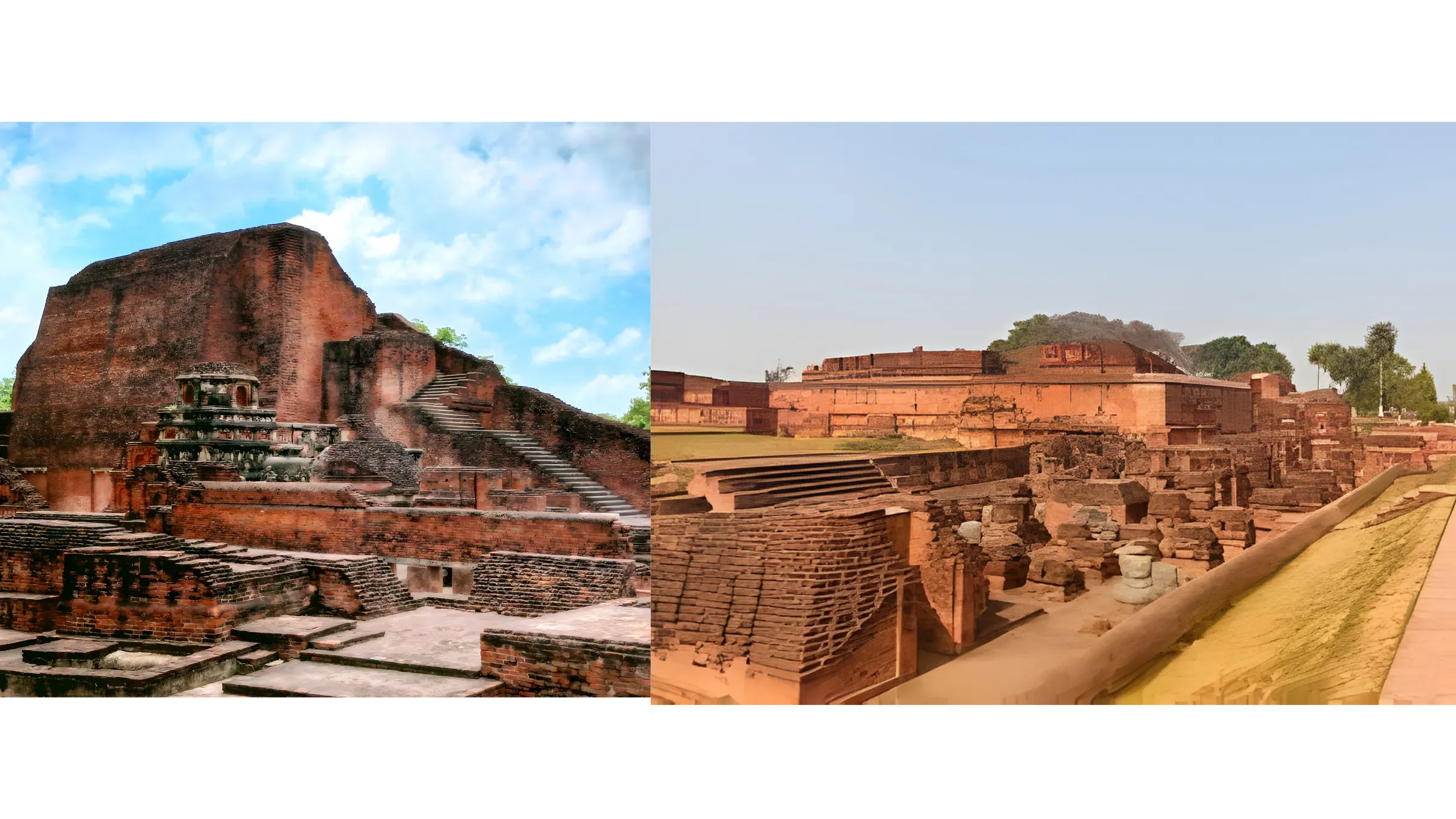
Nalanda University was the most esteemed institution in the world, attracting seekers of wisdom from acro the ancient globe who came to learn from the most respected teachers available.
The Teacher to the World
The Gurus of Bharat hold a strong belief in Karma Yoga. They were indifferent to the fact that Europeans appropriated the wisdom of this magnificent land, repackaging and copyrighting it as their own. Yet, when one master envisioned his disciple traveling to the land of the whites to share the sages' wisdom, the disciple overcame every obstacle to illuminate the world with the knowledge of this great land. This master was Sri Ramakrishna Paramhansa, and the disciple was Swami Vivekananda.
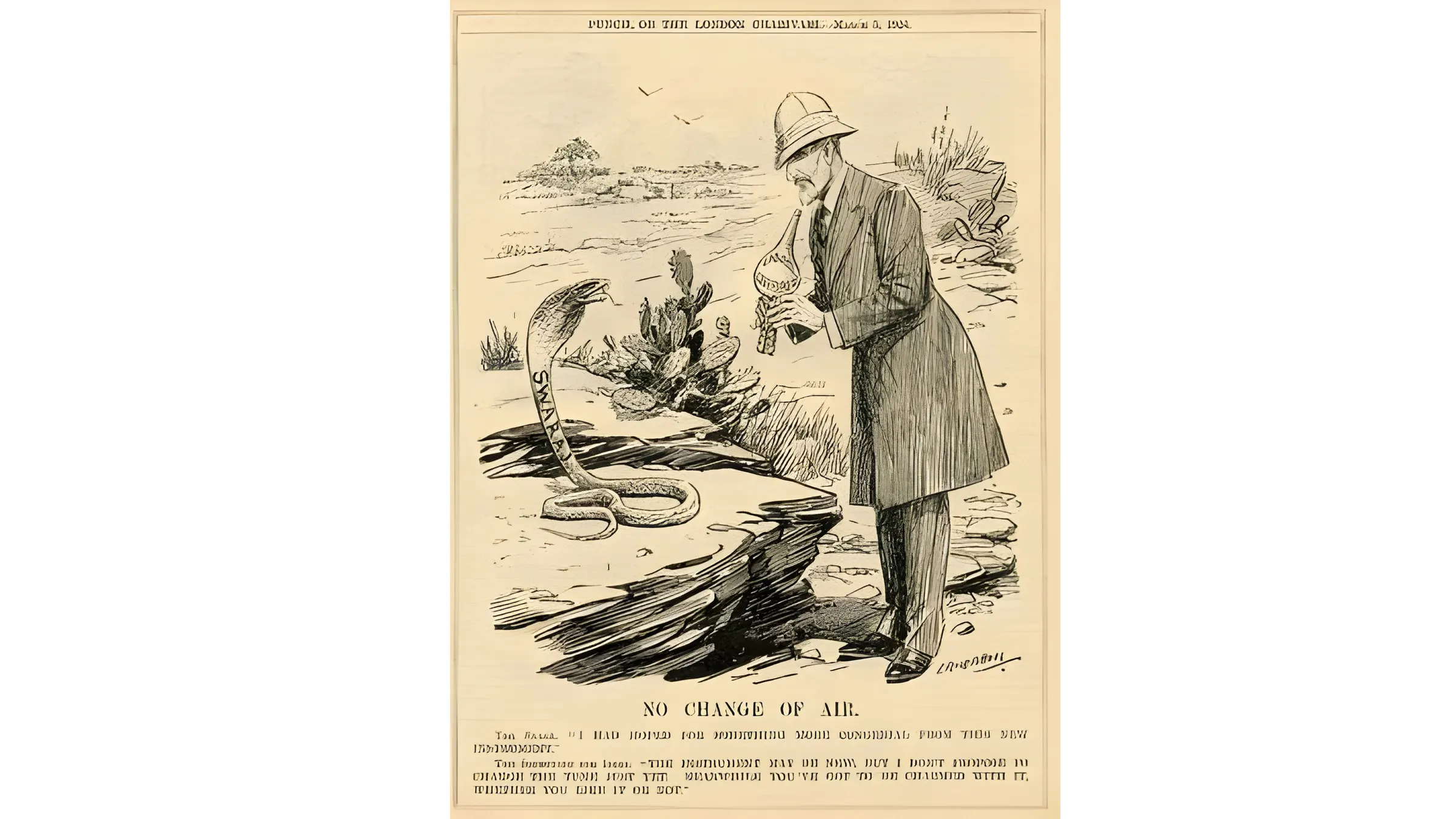
At that time, Bharat was still under British rule, and many around the globe perceived her merely as the land of snake charmers. Defying every misconception and making waves across the USA and beyond, that saffron-clad monk introduced the world to Karma Yoga, one of the most relevant teachings from the Bhagavad Gita. Bharat was ultimately recognized as the Vishwa Guru, the source of wisdom for the world.
Ahimsa and Modern India
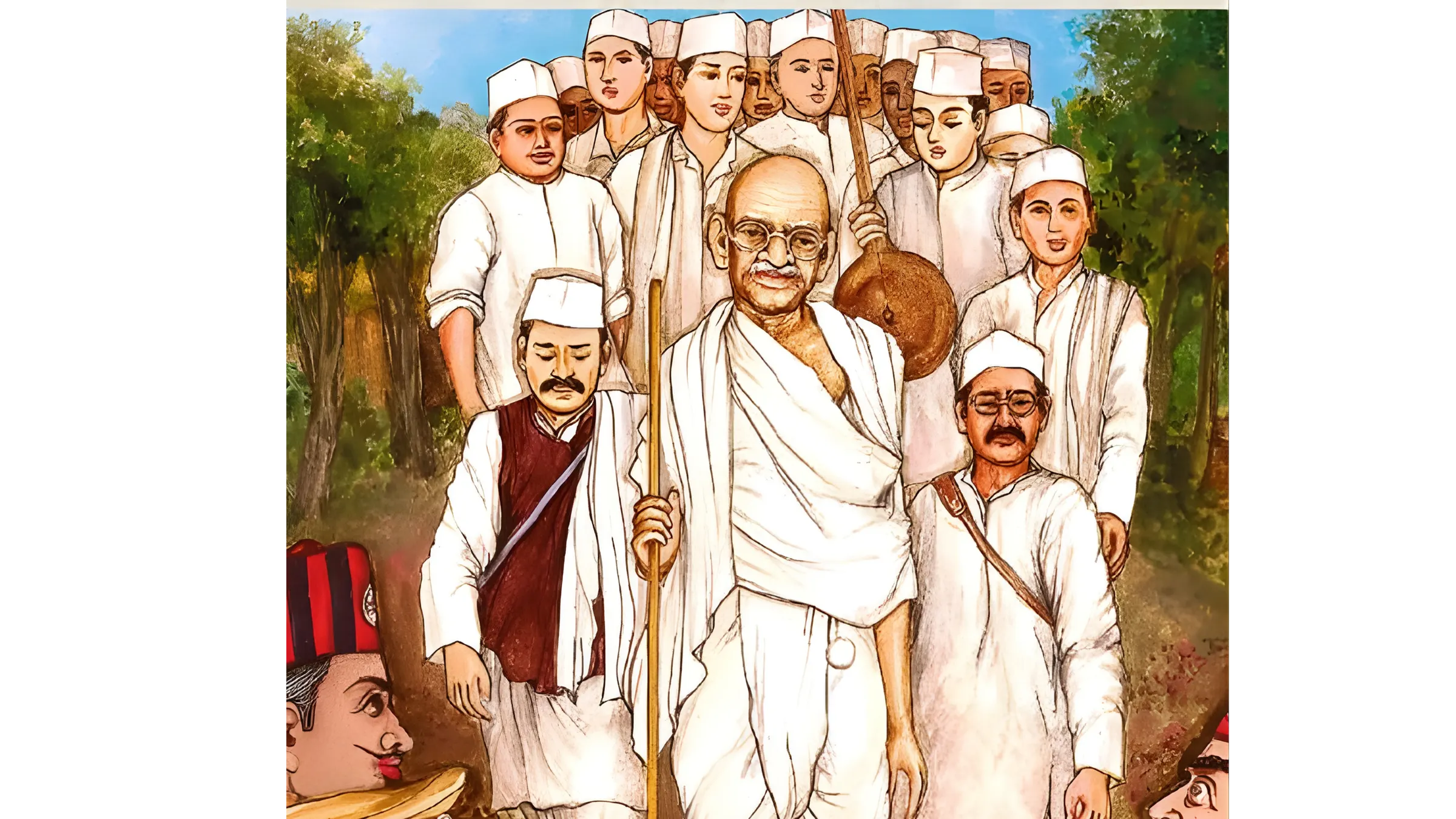
While the concept of Bharat is timeless, Bharat as a sovereign nation emerged on August 15, 1947. The journey to independence was fraught with challenges. The entire nation united repeatedly to resist the colonizers. Netaji Subhash Chandra Bose established the Indian National Army, exerting significant pressure on the British regime from abroad during World War II. Concurrently, Mahatma Gandhi, with his philosophy of ahimsa (non-violence), fostered internal resistance against British rule. Countless leaders and ordinary citizens sacrificed their lives for this cause, the cause to liberate the land they revered as their Mother, their goddess.
Ultimately, the British were compelled to depart, but they partitioned the South Asian landmass, Bharat, into West and East Pakistan, with the remainder designated as India. East Pakistan later became the independent nation of Bangladesh in 1970.
In the journey of modernizing Bharat to integrate into the global economy and to flourish as a hub of knowledge, people started to lose their appreciation for their own cultural wealth, knowledge, and life philosophies. The perspective began to lean towards the west; anything adopted from there was regarded as modern and right.
The ancient science of Yoga, originally documented thousands of years ago by Rsi Patanjali, was embraced by contemporary India only after receiving validation from the west. Times are changing! Now, the west is becoming receptive to Bharat’s rich ideas and traditions.
This phase of Itihasa presents an opportunity for not just the people of Bharat, but for the entire world, to explore the depth of her knowledge, to study the wisdom of her sages, to learn from it, and to share these insights globally.
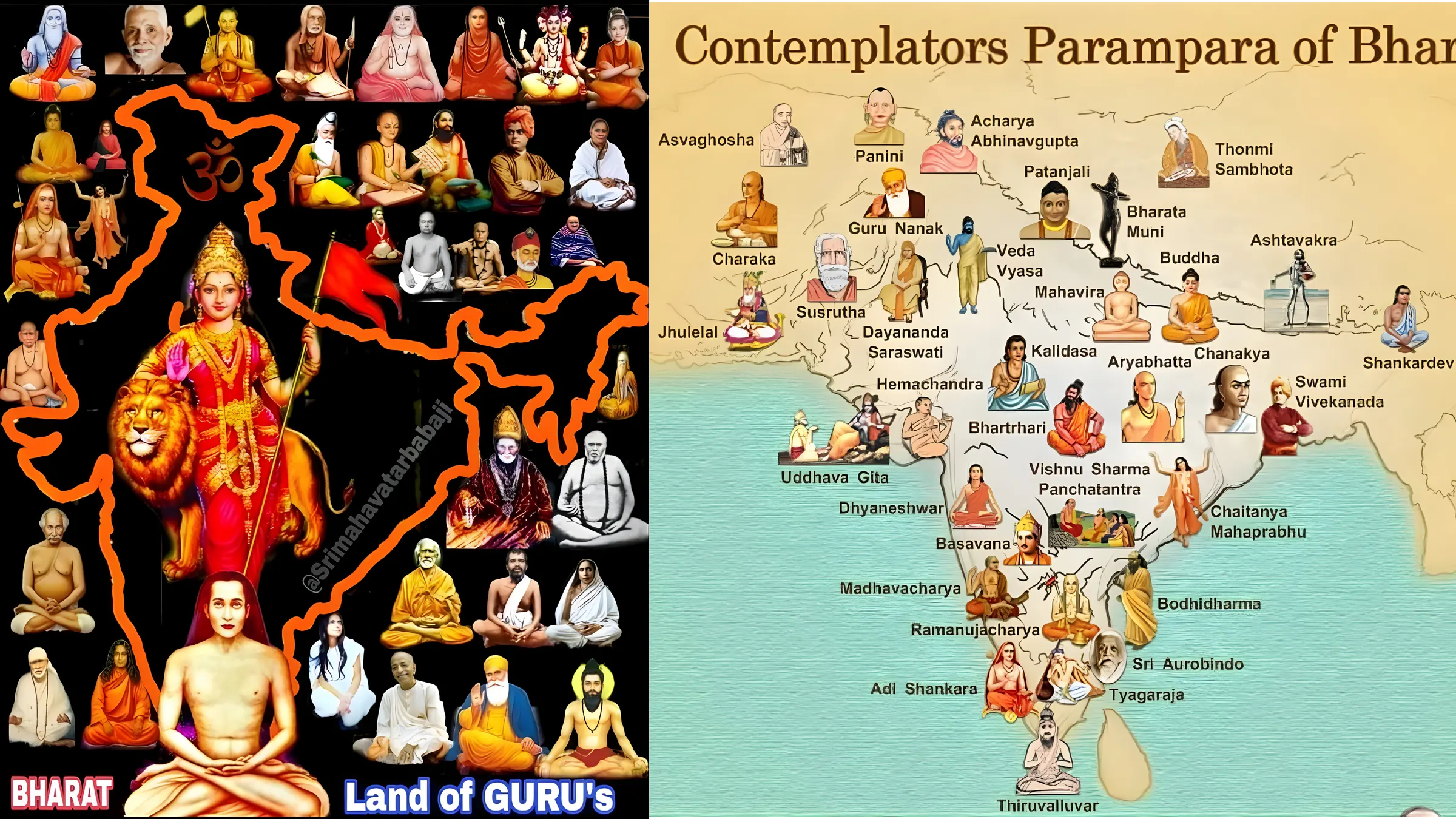
“O India! With this mere echoing of others, with this base imitation of others, with this dependence on others, this slavish weakness, this vile detestable cruelty — wouldst thou, with these provisions only, scale the highest pinnacle of civilization and greatness? Wouldst thou attain, by means of thy disgraceful cowardice, that freedom deserved only by the brave and the heroic?
O India! Forget not that the ideal of thy womanhood is Sita, Savitri, Damayanti; forget not that the God thou worship is the great Ascetic of ascetics, the all-renouncing Shankara, the Lord of Umâ; forget not that thy marriage, thy wealth, thy life are not for sense-pleasure, are not for thy individual personal happiness; forget not that thou art born as a sacrifice to the Mother’s altar; forget not that thy social order is but the reflex of the Infinite Universal Motherhood; forget not that the lower classes, the ignorant, the poor, the illiterate, the cobbler, the sweeper, are thy flesh and blood, thy brothers. Thou brave one, be bold, take courage, be proud that thou art an Indian, and proudly proclaim, “I am an Indian, every Indian is my brother.” Say, “The ignorant Indian, the poor and destitute Indian, the Brahmin Indian, the Pariah Indian, is my brother.” Thou, too, clad with but a rag round thy loins proudly proclaim at the top of thy voice: “The Indian is my brother, the Indian is my life, India’s gods and goddesses are my God. India’s society is the cradle of my infancy, the pleasure garden of my youth, the sacred heaven, the Varanasi of my old age.” Say, brother: “The soil of India is my highest heaven, the good of India is my good,” and repeat and pray day and night, “O Thou Lord of Gauri, O Thou Mother of the Universe, vouchsafe manliness unto me! O Thou Mother of Strength, take away my weakness, take away my unmanliness, and make me a Man!” ~ Swami Vivekananda
This master was Sri Ramakrishna Paramhansa, and the disciple was Swami Vivekananda.